
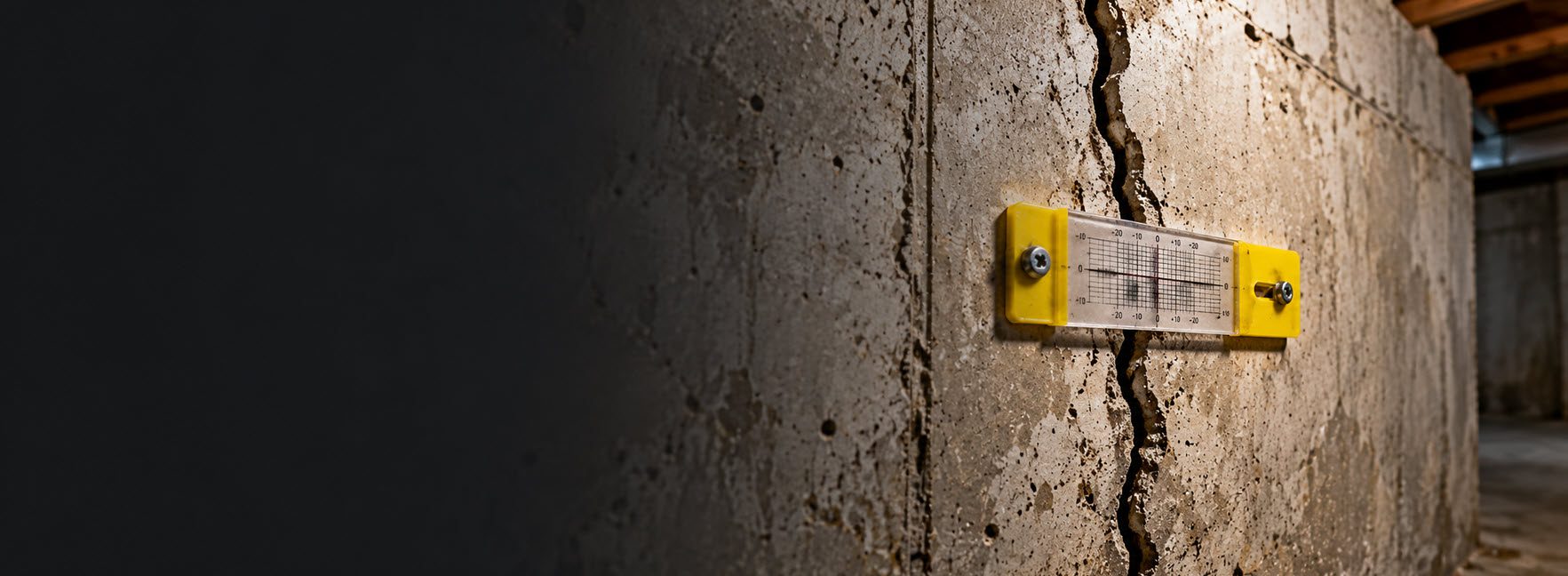
Foundation Crack Repair in Milwaukee & the Suburbs
Not Every Crack Is Trouble. Some Are.
A crack in your basement wall can be harmless shrinkage or the first sign of a wall under pressure. Basement Specialists tells you which one you're dealing with, then fixes it the right way.
- Since 1981Locally owned & operated
- Free EstimatesWritten & no-pressure
- Warranty BackedUp to 20 years
- Licensed & InsuredFully bonded
- 4.7 Stars on GoogleFrom local homeowners
Foundation Cracks
Read the Crack Before You Fix It
Almost every basement has a crack somewhere. Concrete shrinks as it cures, and Wisconsin's freeze-thaw seasons add stress every year. Most hairline cracks are cosmetic. The ones worth worrying about are the cracks that leak, keep widening, run sideways or show up with a wall that's starting to lean.
The direction, width and location of a crack tell a story. We read that story first, measure what we see and only then recommend a repair. Sometimes that's a simple seal. Sometimes it's a sign the wall needs real support. Either way, you'll know exactly why.
Cracks also tell us what else to check. A leaking crack points us to drainage and grading outside. A stair-step crack sends us looking for settling at that corner. A horizontal crack means we measure the wall for movement. Fixing the crack without fixing what caused it is how the same crack comes back next spring.
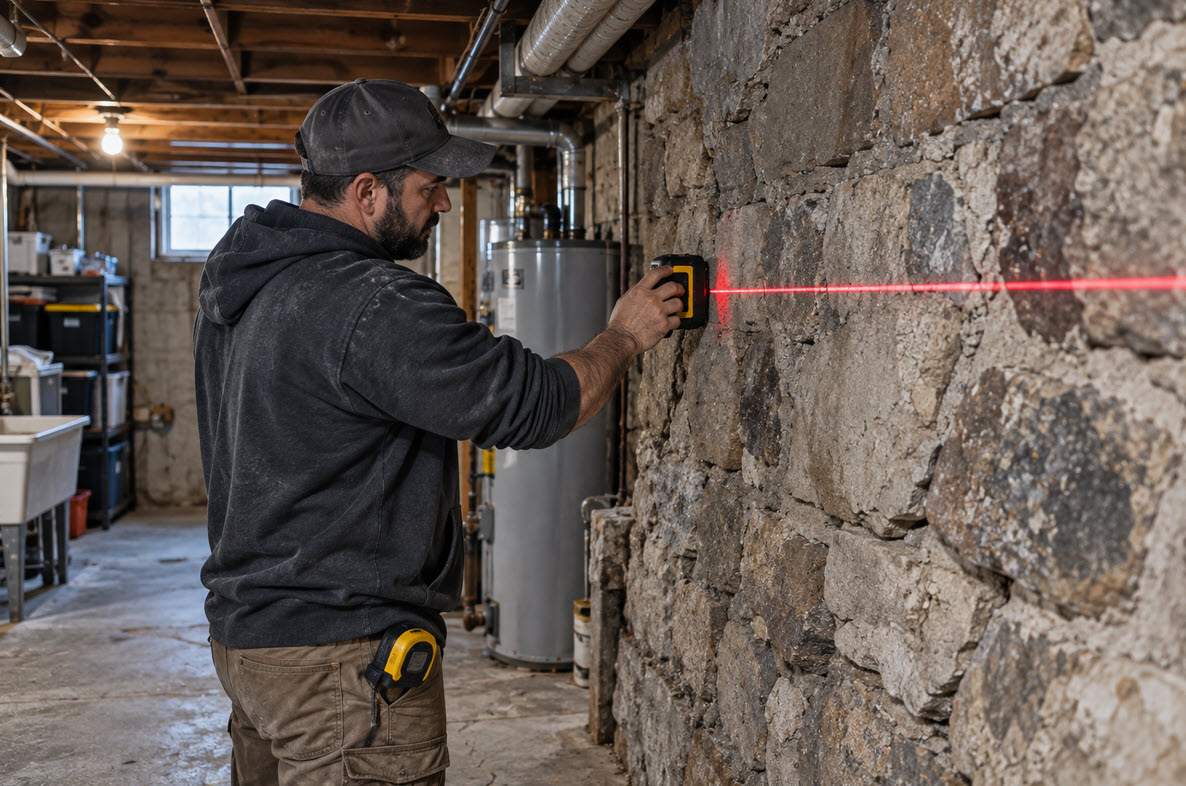
Know Your Crack
Three Cracks, Three Different Stories
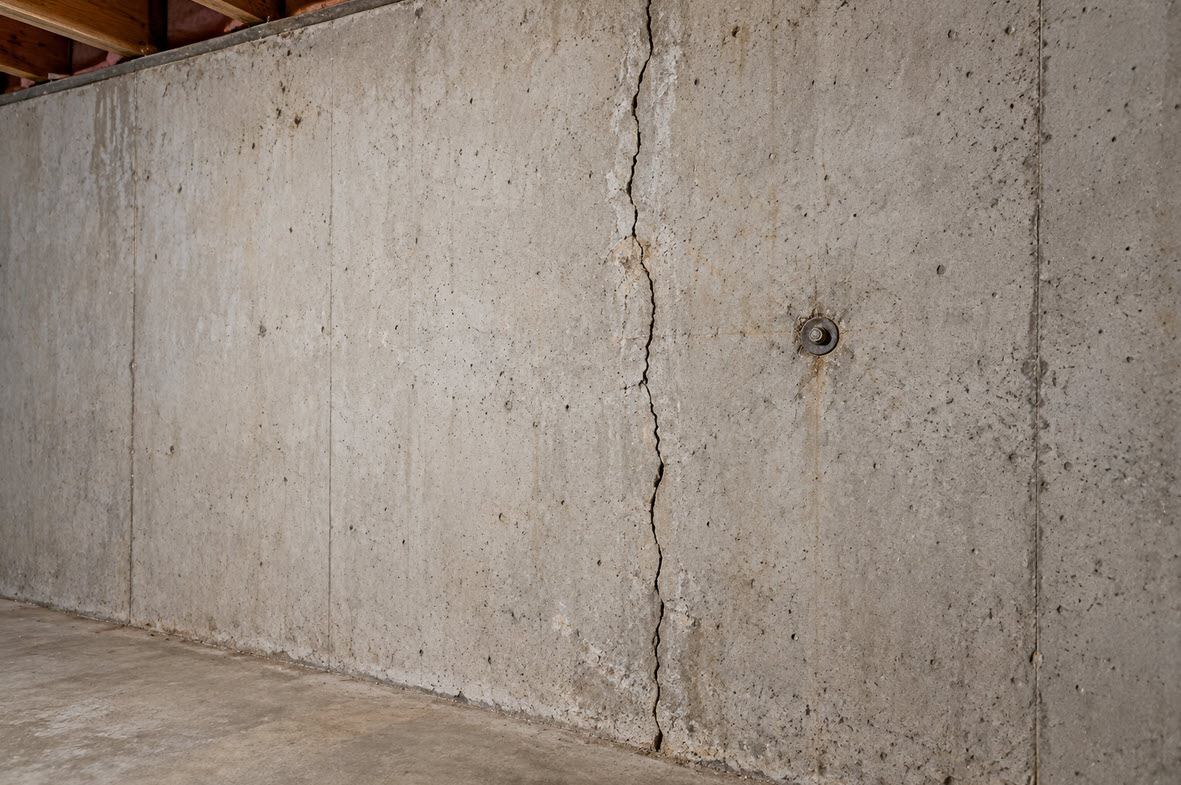
Straight up-and-down cracks in poured walls usually come from concrete shrinking as it cured. They're often harmless unless they leak or start to widen at the top.
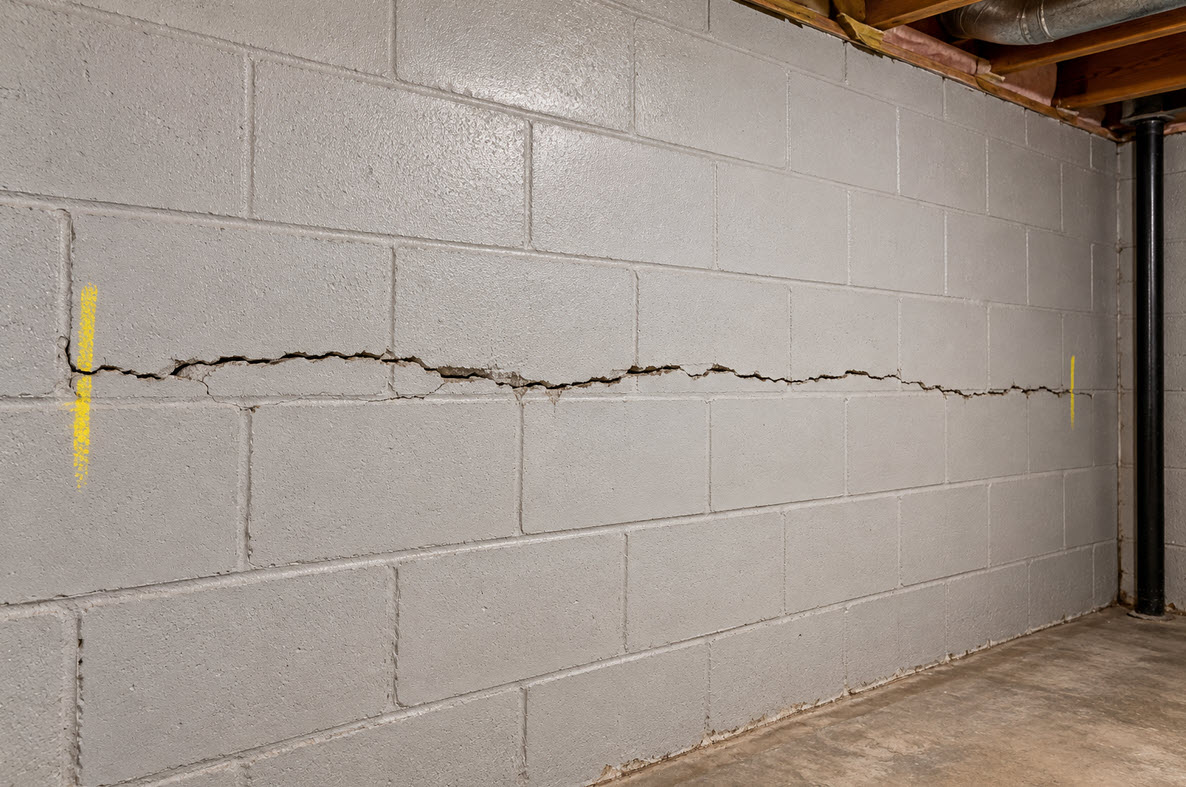
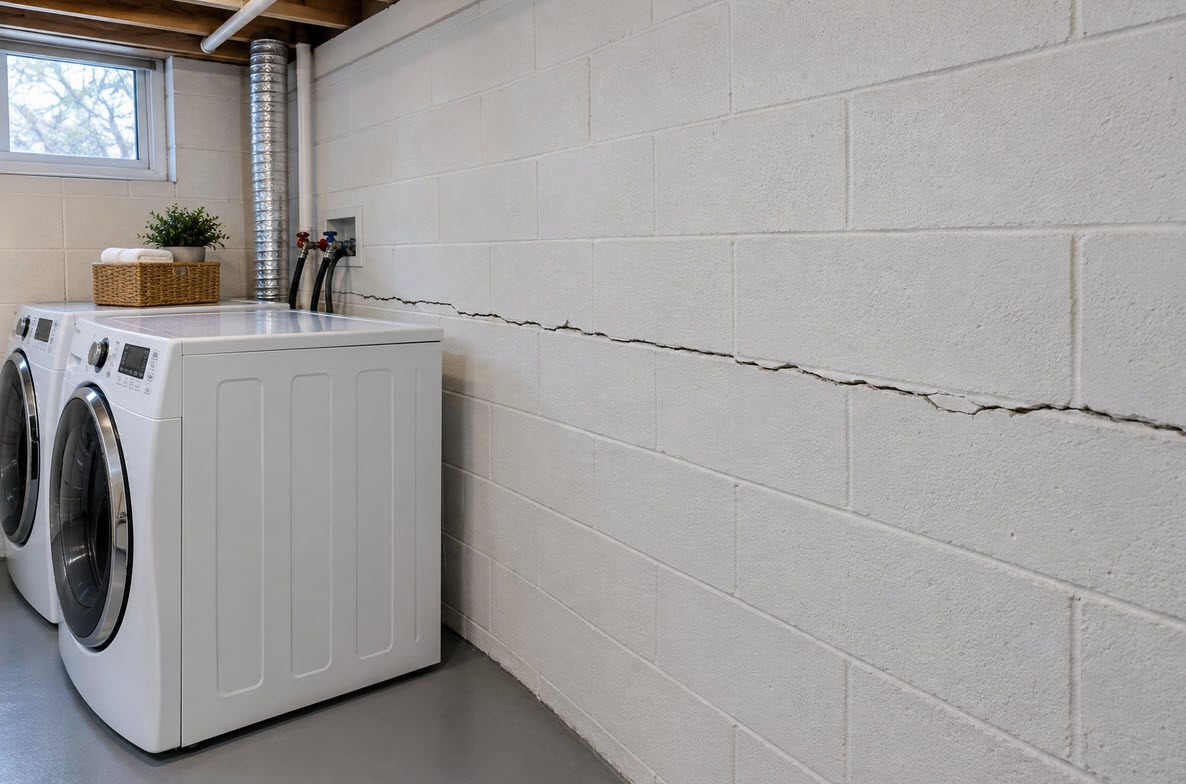
A crack running sideways across a block wall usually means soil pressure is pushing the wall in. It's often the first sign of a bowing wall.
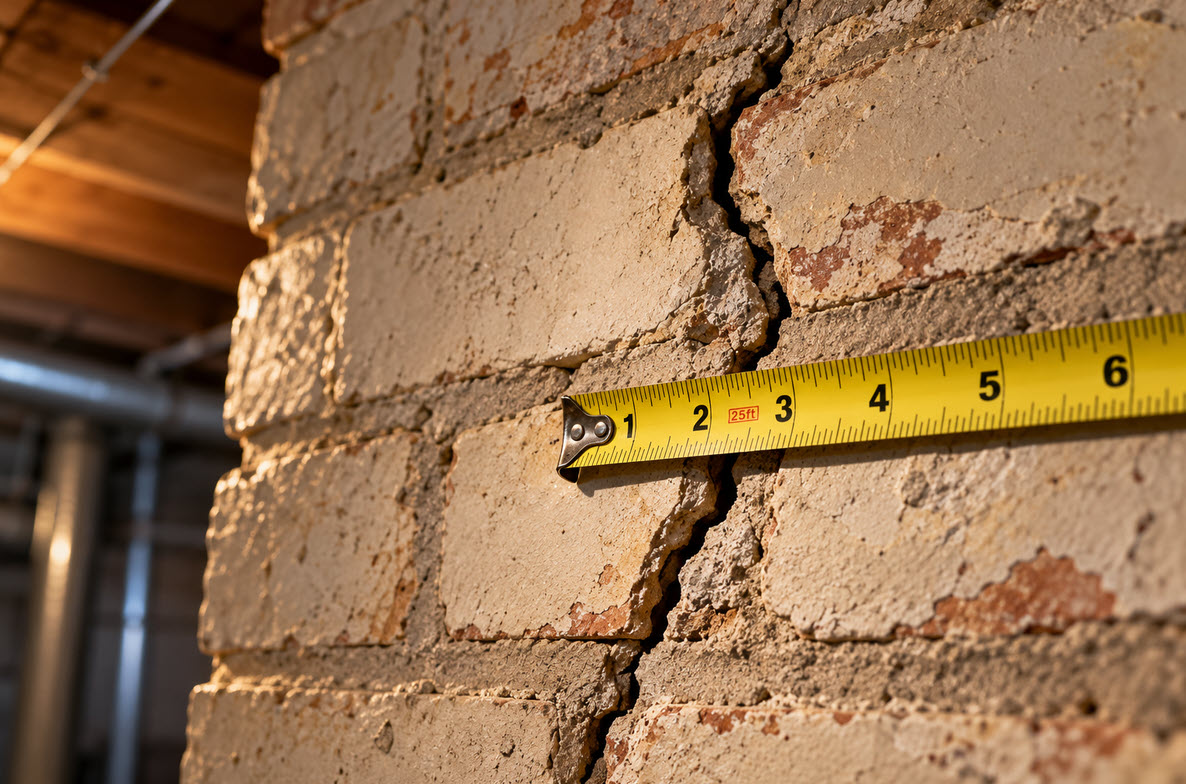
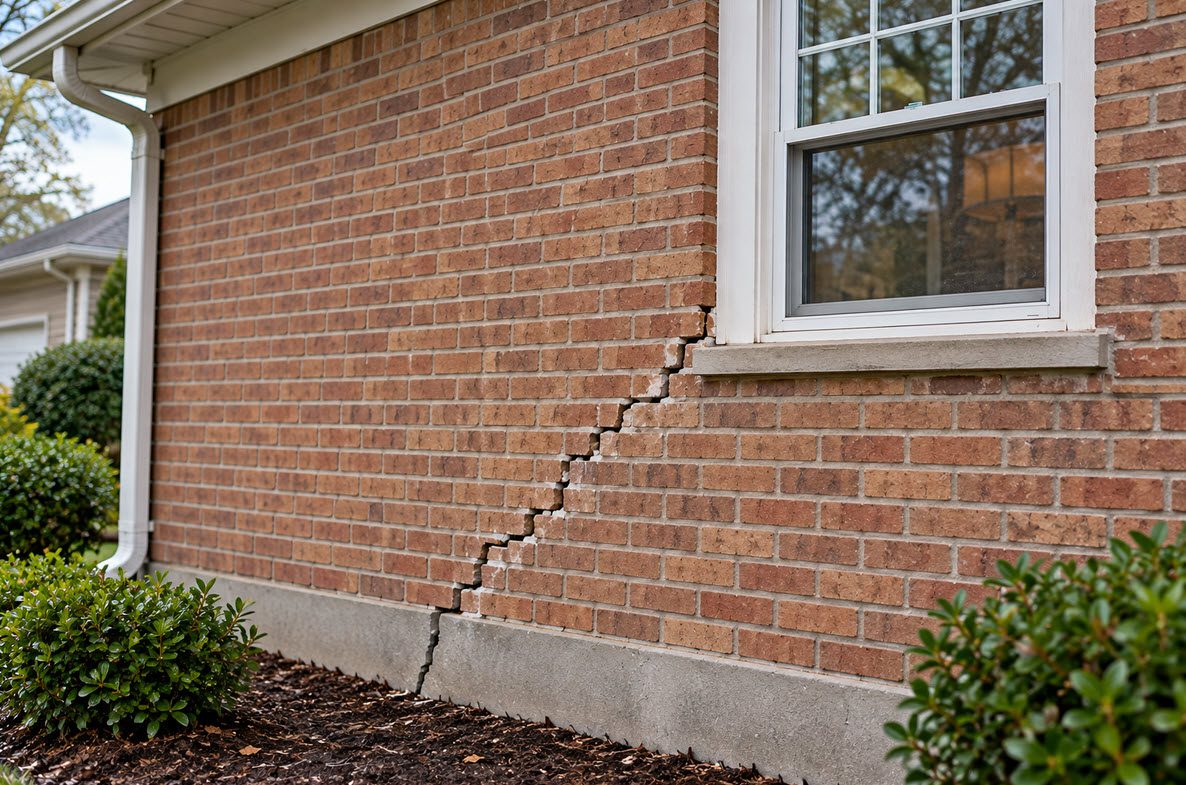
Cracks that zigzag along mortar joints point to movement, either settling below or pressure from outside. They need to be looked at in person.
What Causes It
Why Basement Walls Crack
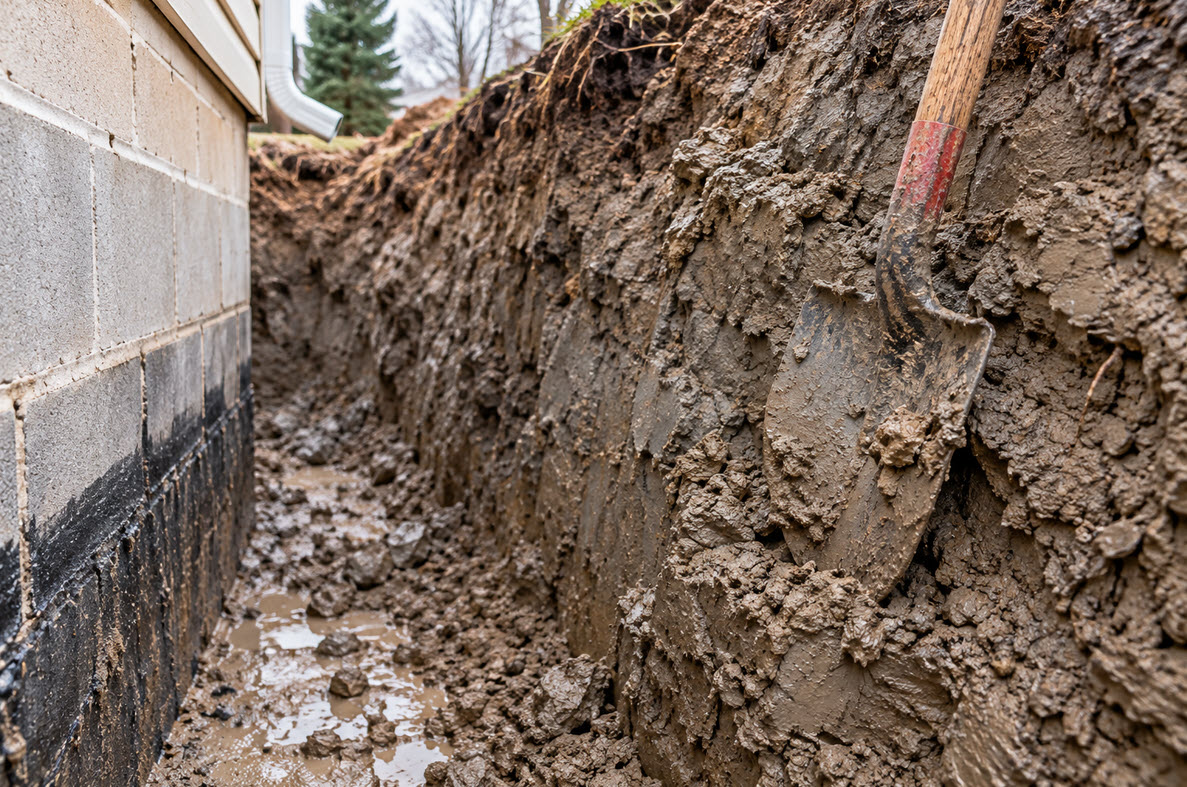
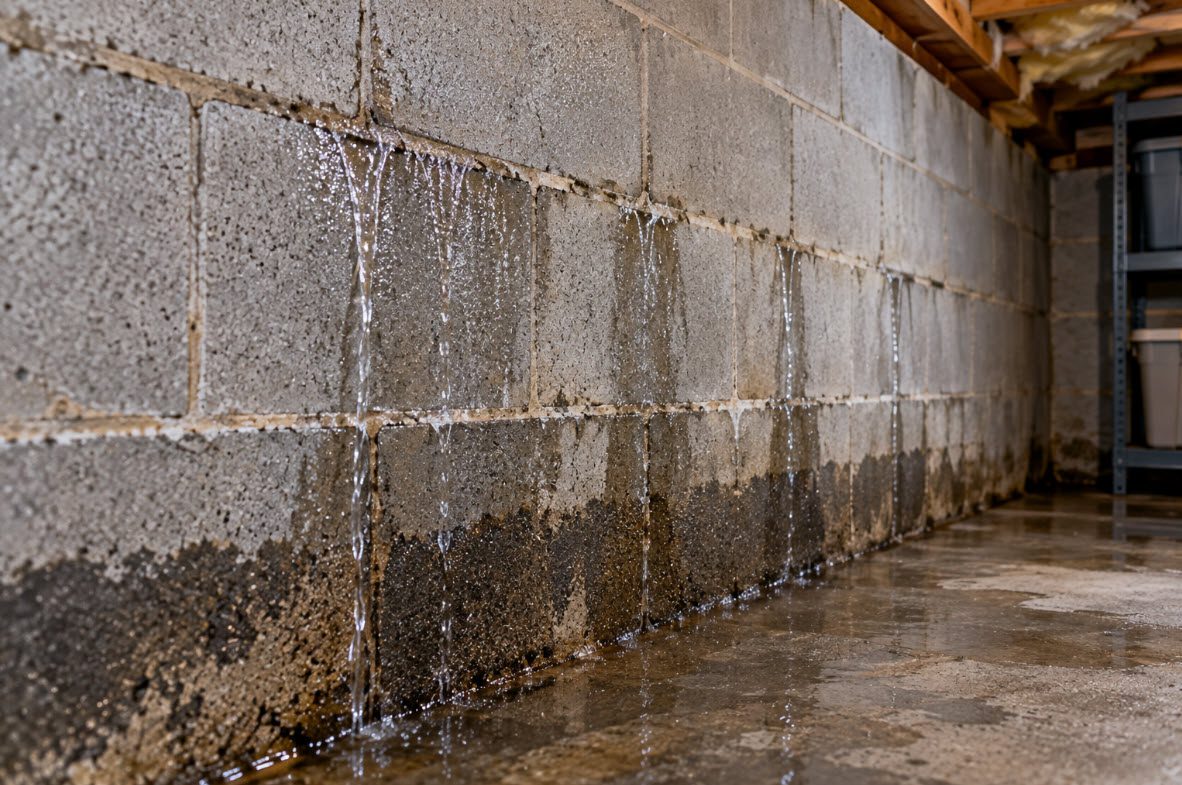
Most cracks come down to concrete, soil and water working against each other.
Warning Signs
When a Crack Needs Attention
Not every crack needs a repair, but these signs mean it's time to have someone look at it in person.
- Water leaking through the crack
- A crack that keeps getting wider
- A horizontal crack in a block wall
- Stair-step cracks along mortar joints
- One side sticking out past the other
- Cracks that come back after patching
- White residue around the crack
- Cracks wider than a pencil
How We Fix It
Foundation Crack Repair Options
 Sealing
Crack Injection & Sealing
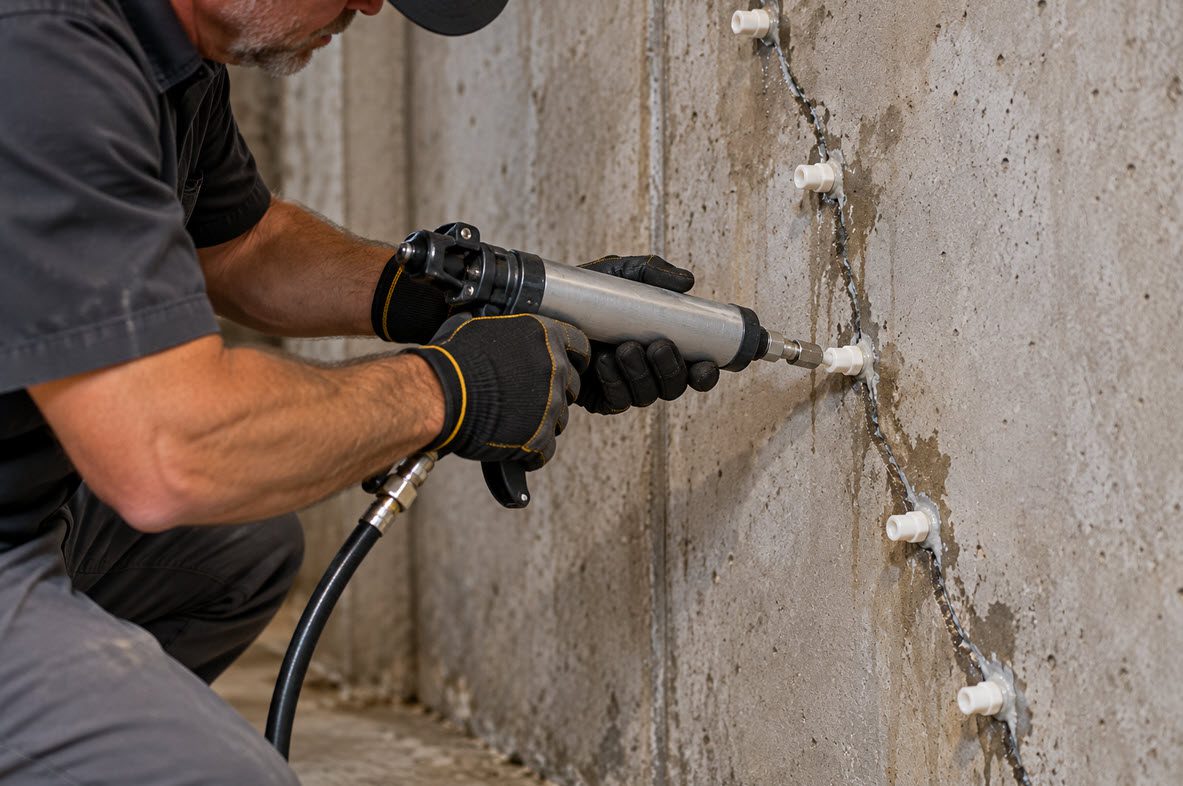
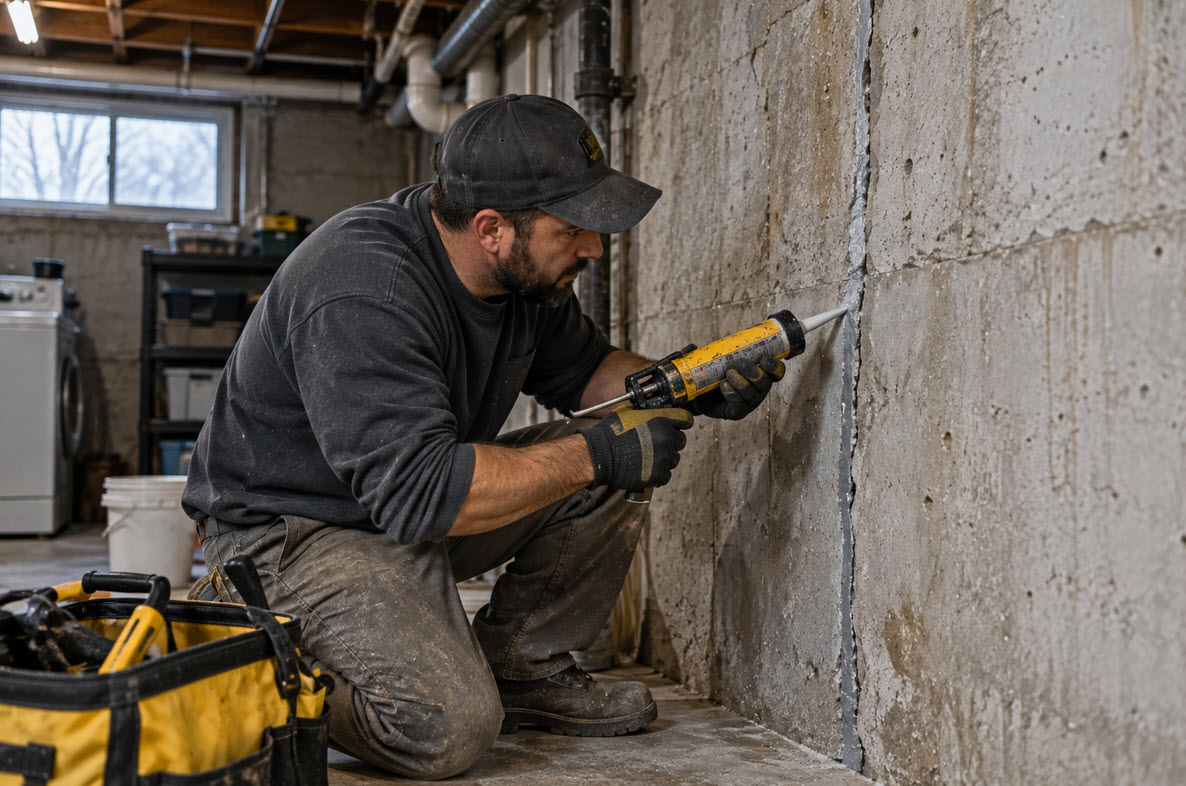
For leaking cracks in poured walls, we inject the crack from inside so the seal reaches all the way through the wall. Water loses its path, and the wall stays dry.
It's done from inside the basement, usually in a few hours, with no digging.
We seal the crack and confirm it's dry before we leave, so you know the repair worked.
Get an Estimate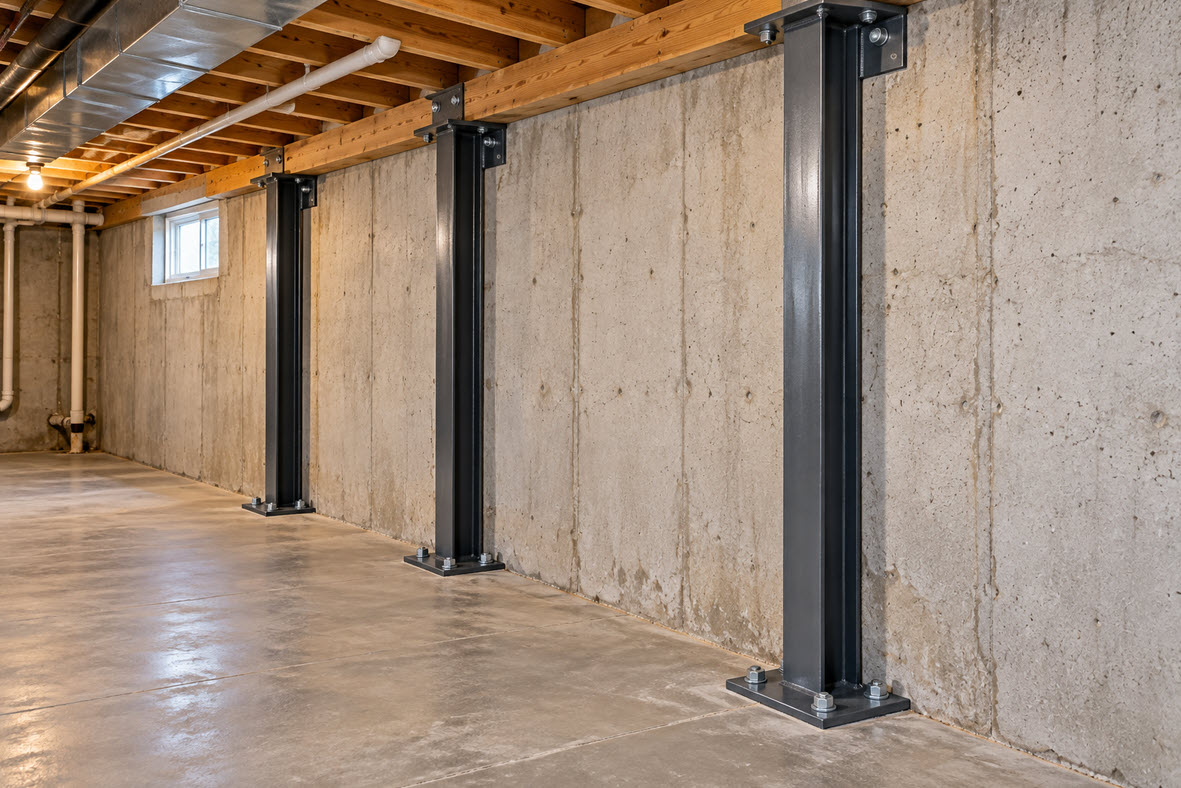 Support
Structural Crack Repair
When a crack is caused by movement, sealing it isn't enough. The wall needs support so it stops moving and the crack stops growing.
That might mean steel wall braces, piers under a settling corner or straightening a wall that's pushed in.
We also look at drainage outside, since the same water that found the crack will look for the next weak spot.
Wall Bracing OptionsWhat to Expect
Our Crack Repair Process
- 1Look Inside & OutWe check the wall, the floor and the drainage around your home.
- 2Measure ItWe document cracks and how far the wall has moved.
- 3Explain Your OptionsPlain answers and a written estimate.
- 4Make It SolidOur crew completes the repair and cleans up.
Common Questions
Foundation Crack FAQs
Are vertical cracks normal?
Thin vertical cracks in poured walls are common and often come from the concrete shrinking. Keep an eye on them for leaks or widening.
Should I worry about a horizontal crack?
Yes. In a block wall, a horizontal crack usually means soil pressure is pushing the wall in. It should be looked at.
Can I seal a crack myself?
Store-bought patches may hide a crack for a while, but they rarely stop water under pressure and won't fix a moving wall.
How do I know if a crack is getting worse?
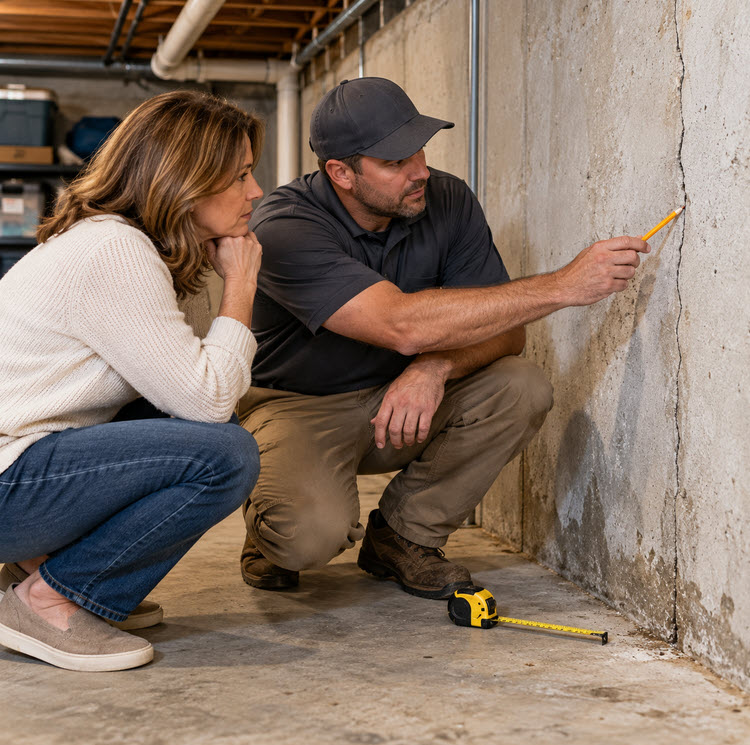
Mark the ends with a pencil and date them. If the crack grows past your marks, it's still moving.
Can cracks cause leaks?
Yes. Cracks are one of the most common ways water gets into a basement.
How long does crack repair take?
Most crack injections take a few hours. Structural repairs take longer, and your estimate will include a timeline.
What Homeowners Say
Trusted by Milwaukee-Area Homeowners

“We had Basement Specialists do foundation work for us, they were affordable, completed the work in a timely manner, and did a great job at cleanup. We even had some extra work done around the porch foundation which was reasonable and looks great. We would highly recommend them!!”
“We have used Basement Specialists a couple of times. They have been simply wonderful to work with. To start with, the office is responsive, and they were easy to schedule with. Dale showed up promptly…”
“Just had them do foundation work for us. They did a good job, they did put runners down. Even put some on the basement steps, even after I told them they didn't have to…”
Related Services
You May Also Need
 Bowing Walls
 Settling Foundations
Found a Crack?
Let's Find Out If It Matters.
We'll measure it, explain what's causing it and give you a free written estimate.