Basement Wall Leak Repair in Milwaukee & the Suburbs
Water Through the Wall? We'll Stop It.
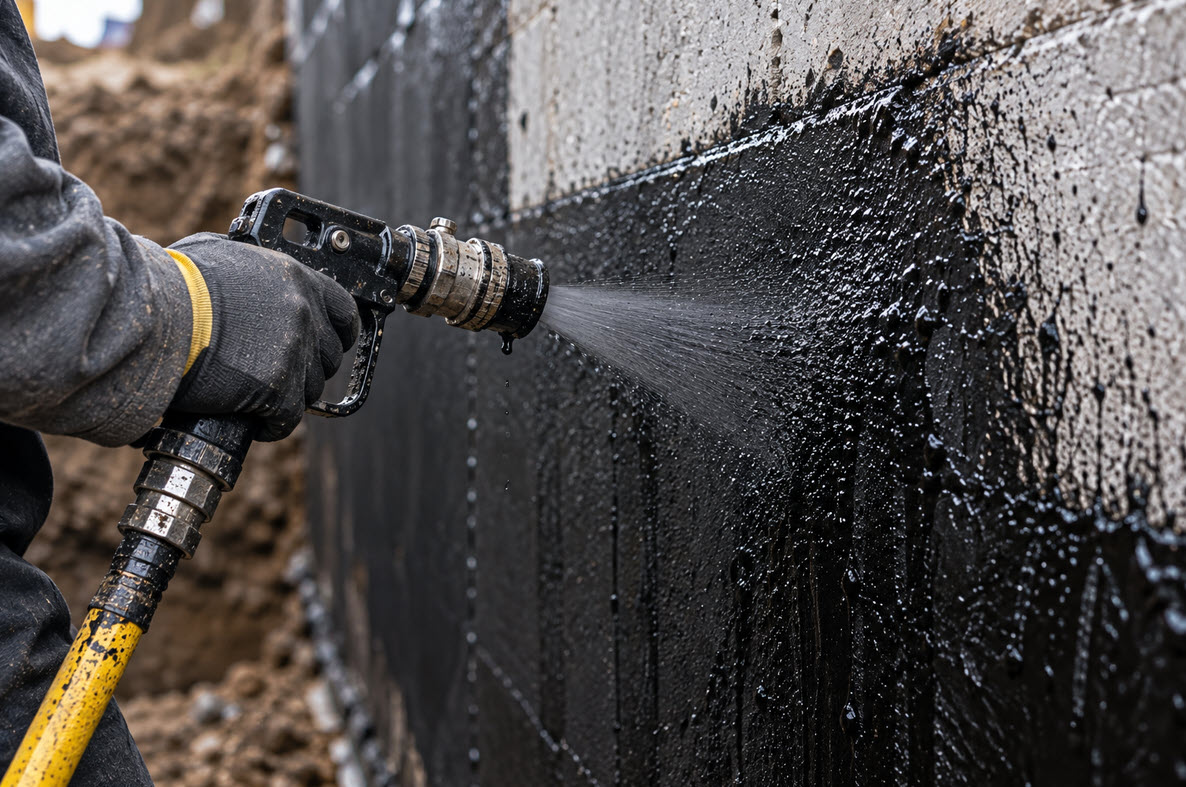
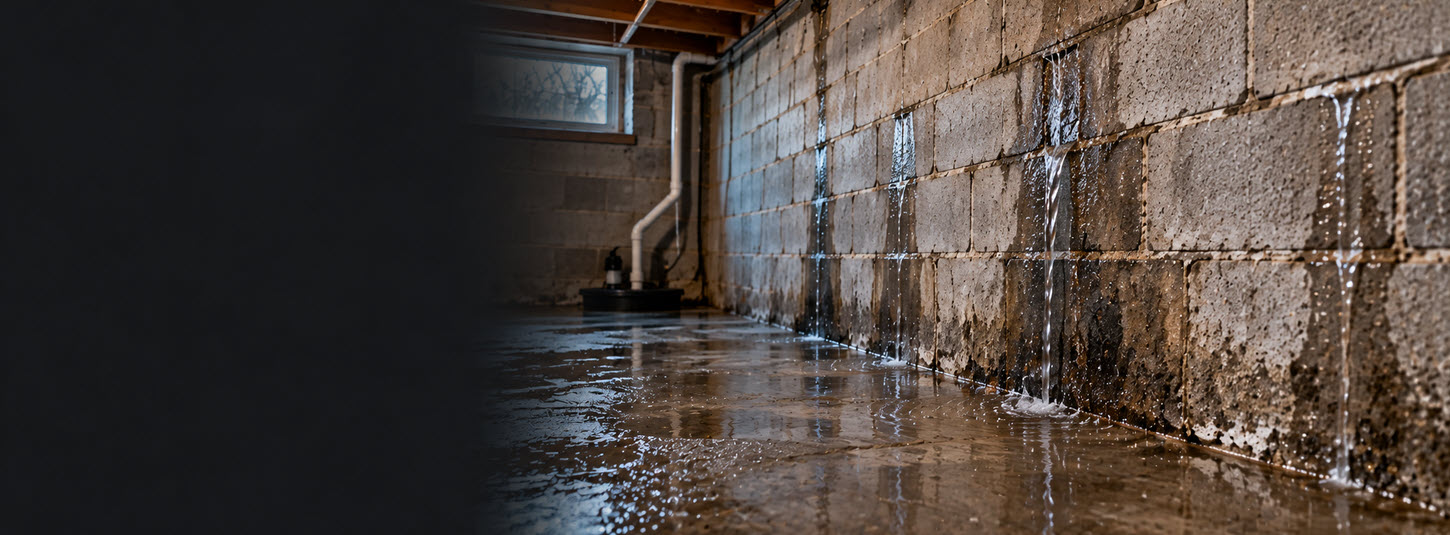
Wet streaks running down from cracks, damp patches that spread after every rain or a white crust building up on your block walls. Basement Specialists fixes wall leaks based on how your wall was built.
- Since 1981Locally owned & operated
- Free EstimatesWritten & no-pressure
- Warranty BackedUp to 20 years
- Licensed & InsuredFully bonded
- 4.7 Stars on GoogleFrom local homeowners
Leaking Basement Walls
Why Water Comes Through the Wall
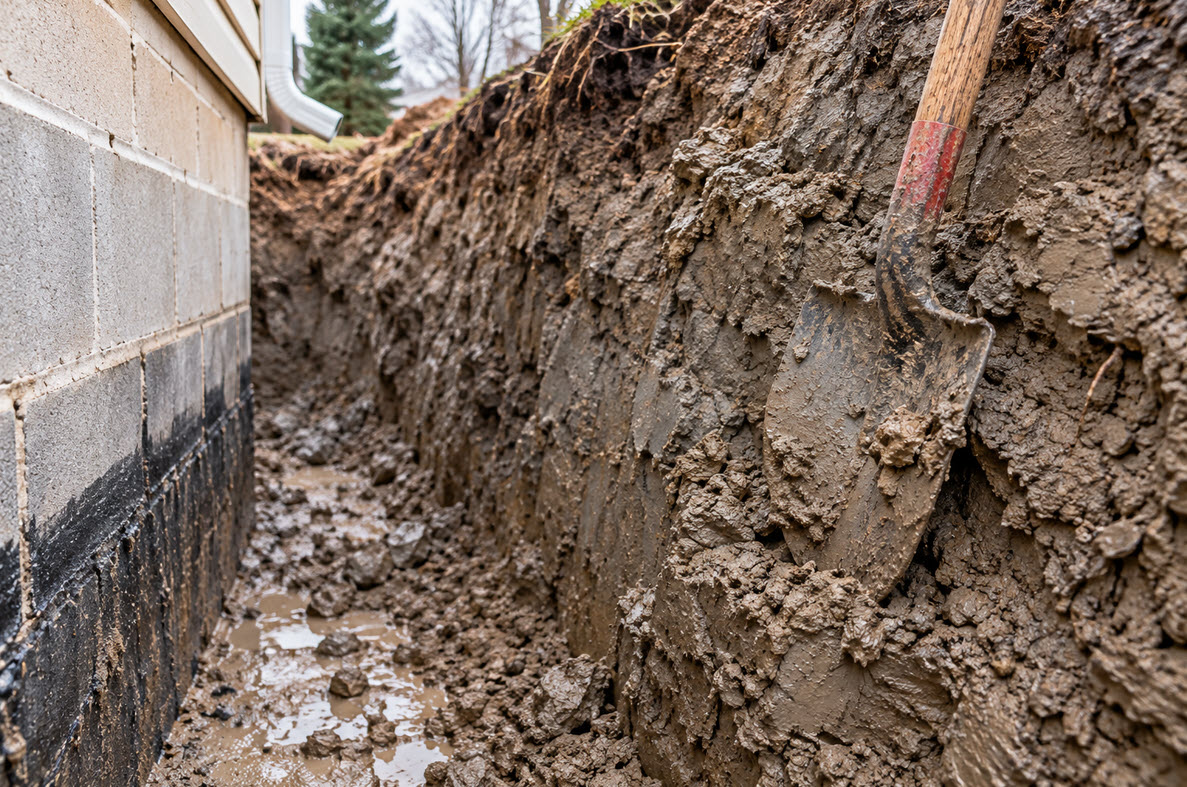
When water comes through a basement wall, the soil outside is soaked and pushing it in. That pressure builds every time heavy rain or melting snow saturates the clay around your foundation, and it forces water through any weak spot it can find.
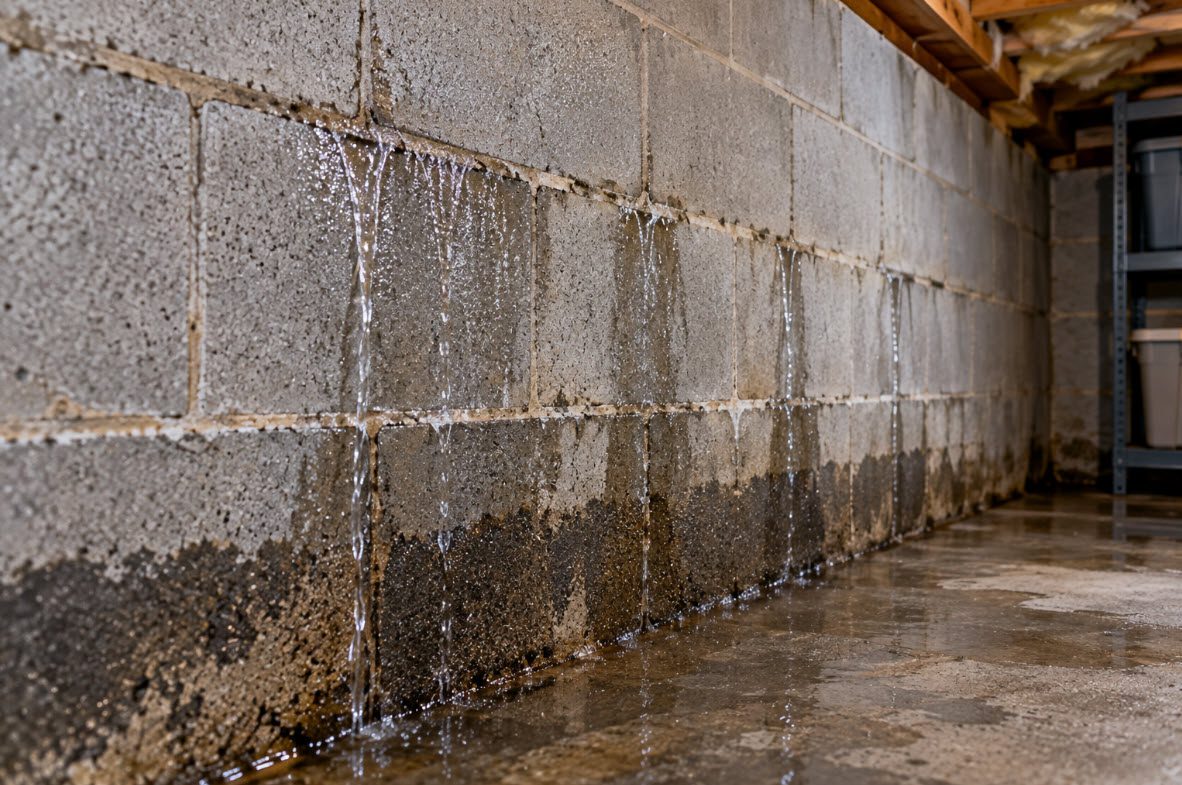
Where it gets through depends on the wall. Poured concrete leaks at cracks and at the small tie-rod holes left from construction. Concrete block soaks up water, fills its hollow cores and lets it out low on the wall. Old stone and brick let water seep through mortar that's softened over the decades.
Because every wall leaks differently, there's no one fix for all of them. We identify your wall type and exactly where water is entering, then recommend the repair that will hold.
Know Your Wall
How Different Walls Leak
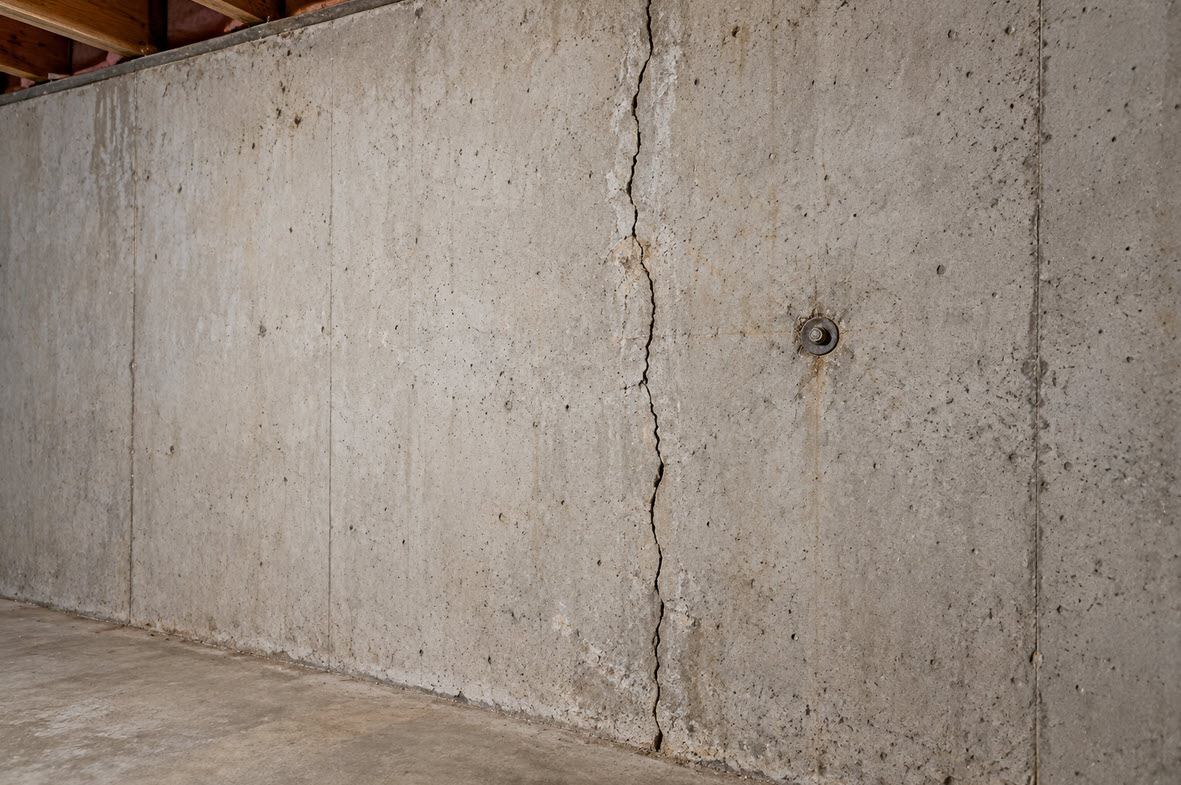
Water follows cracks and old tie-rod holes straight through the wall. These leaks can usually be sealed from inside.
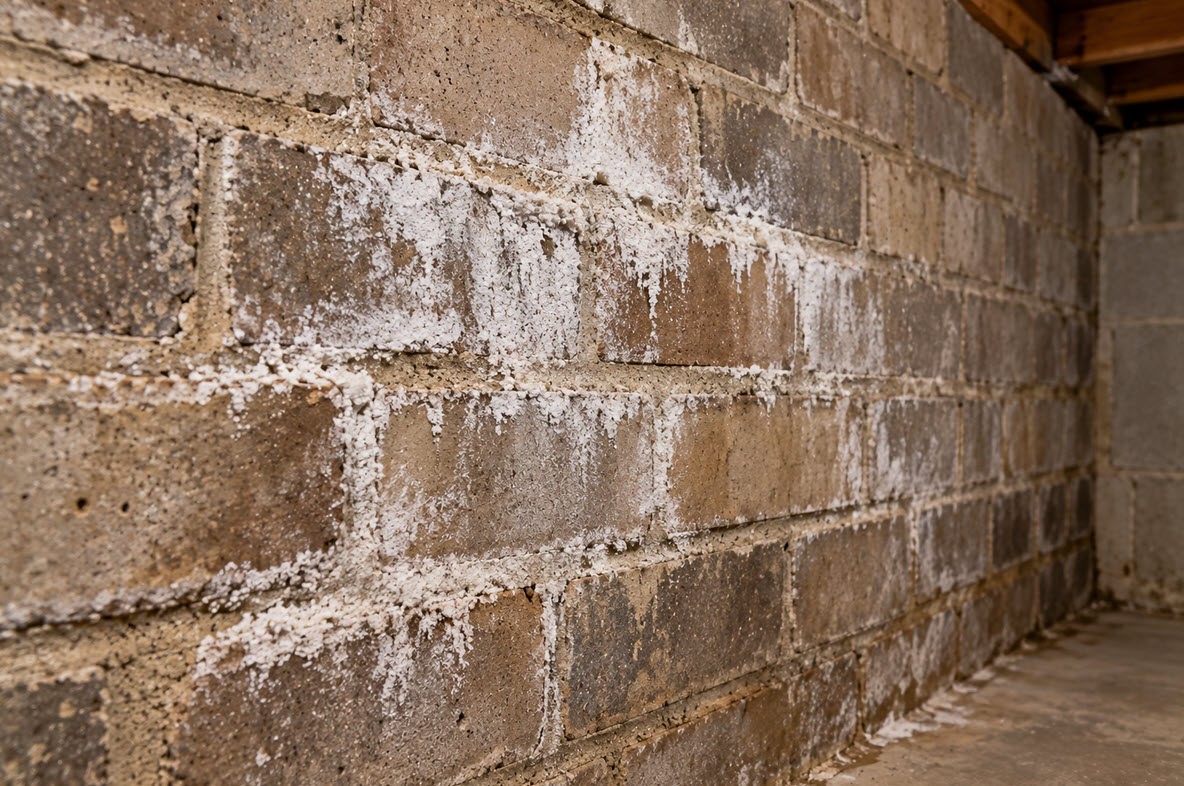
Water fills the block cores and drains down, leaving a wet band and white crust along the bottom courses.
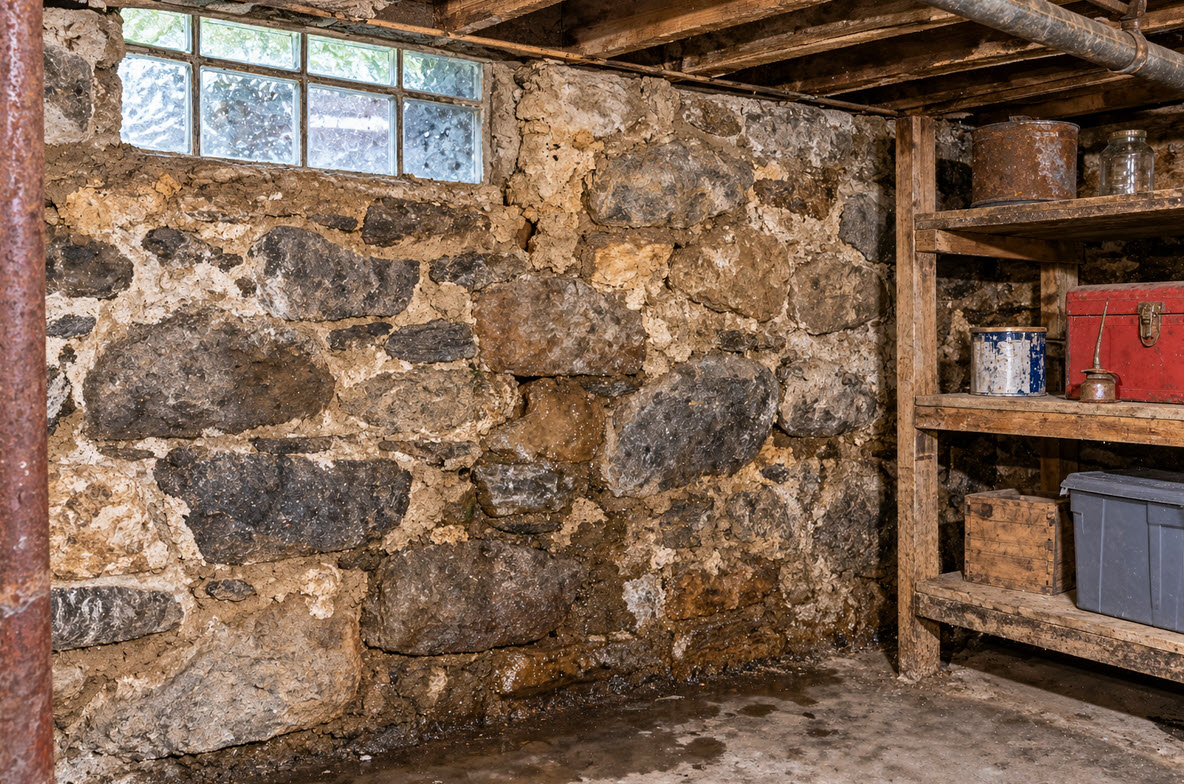
Water seeps through softened mortar across whole sections, leaving damp areas and sandy residue.
What Causes It
What Causes Wall Leaks
Water pressure and wall weak spots work together.
Warning Signs
Signs Your Walls Are Leaking
Wall leaks often start small and get worse with every wet season.
- Wet streaks below cracks
- Damp patches after rain
- Rusty or damp tie-rods
- White, chalky crust
- Bubbling or peeling paint
- Sandy mortar at the base
- A musty smell near one wall
- Stained or warped paneling
How We Fix It
Wall Leak Repair Options
 Poured Walls
Crack & Tie-Rod Injection
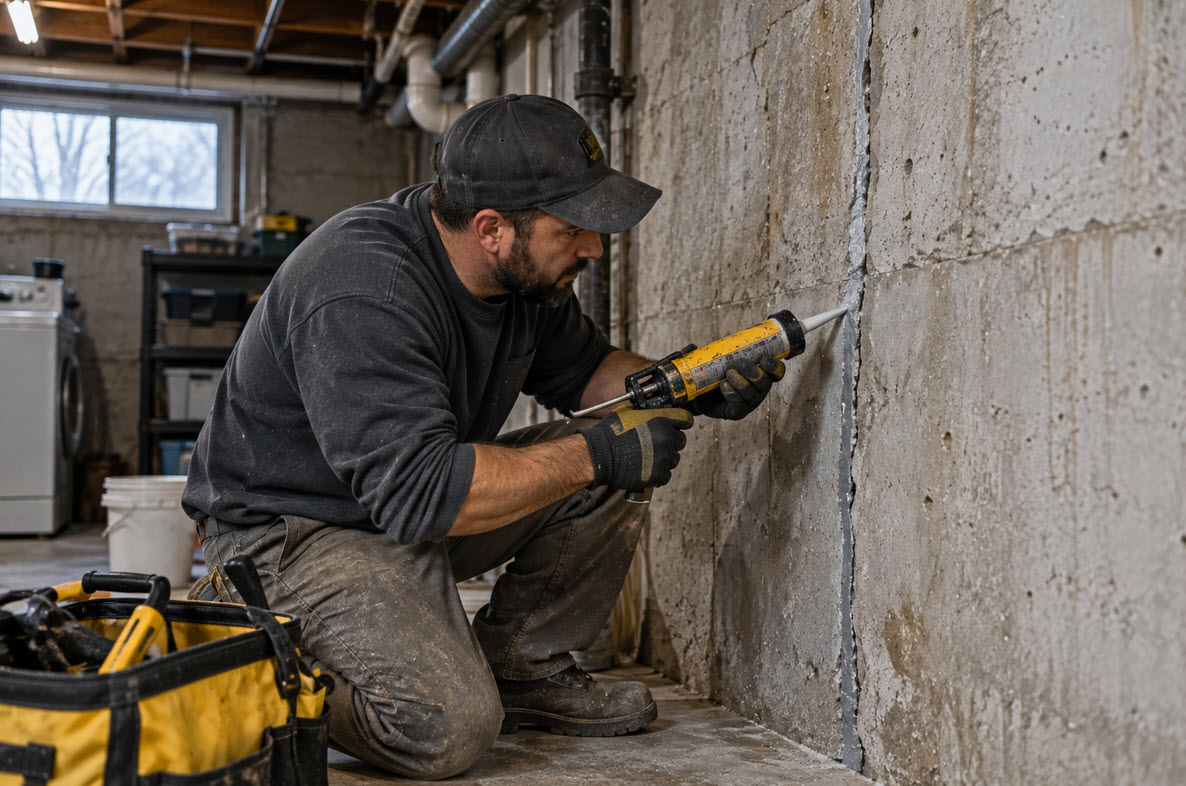
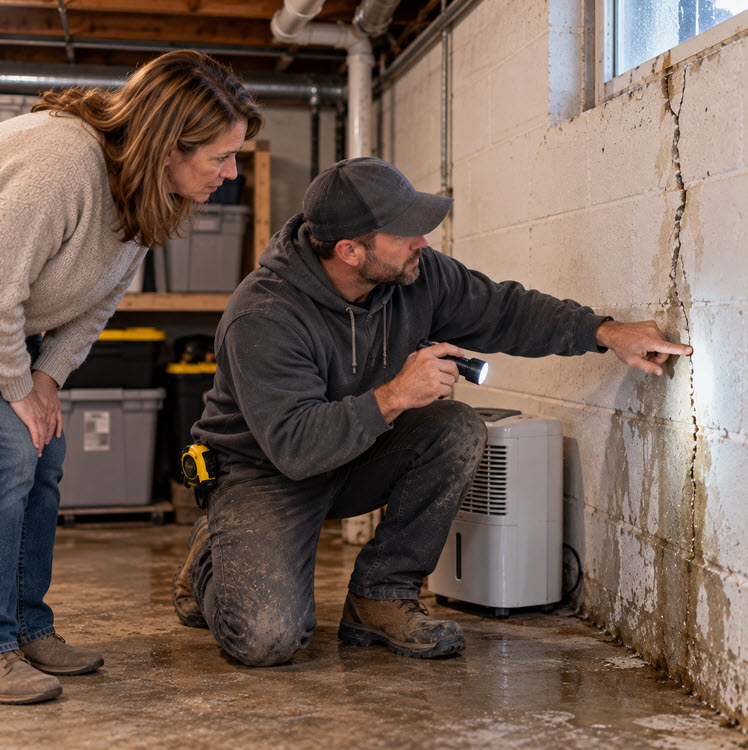
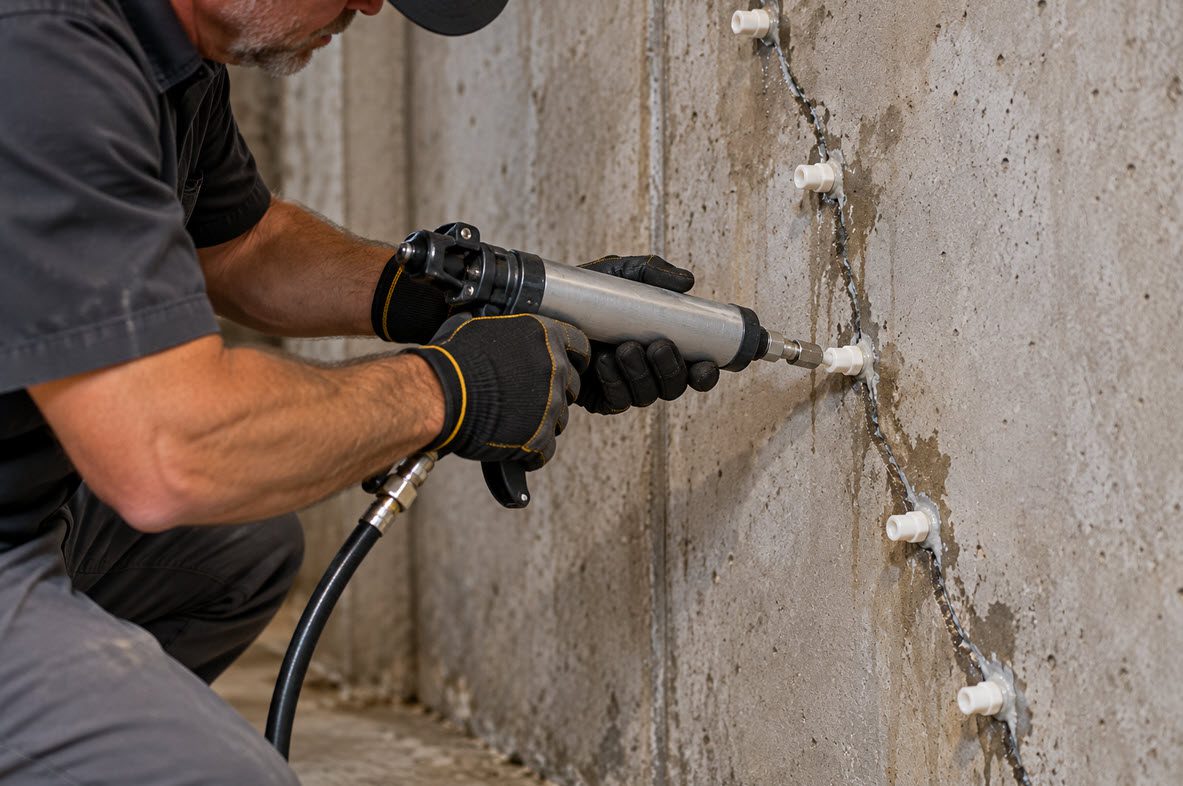
For leaking cracks and tie-rods in poured concrete, injection is the most direct fix. Ports are set along the crack, the surface is sealed and material is pushed in under pressure until it fills the crack through the full thickness of the wall.
That closes the path the water was using, so it can't simply find its way around the patch. The work is done from inside the basement, usually in a few hours, with no digging.
If the crack came from a wall that's moving, sealing it is only half the job. We'll check for movement and address it so the crack doesn't reopen.
Foundation Cracks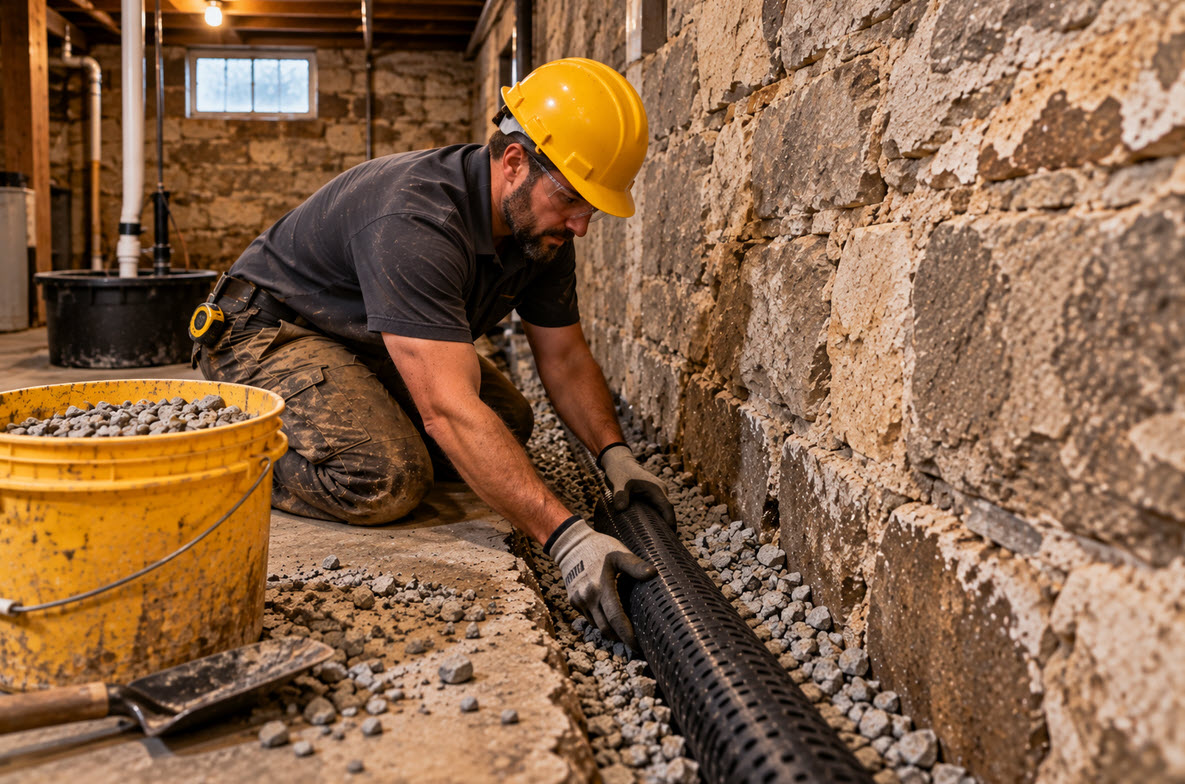 Block & Stone
Interior Wall Drainage
Block walls can't be sealed one crack at a time, because water moves through the whole wall. Instead, we give it a controlled way out: new drain tile along the footing, small weep holes in the bottom course to drain the block cores and a sump to carry the water outside.
For older stone and brick foundations, we combine drainage with repointing the worst mortar joints, so the wall is stronger and drier at the same time.
When leaks are widespread on any type of wall, exterior waterproofing can keep water off the wall completely. We'll explain the trade-offs so you can choose with confidence.
Drain Tile DetailsWhat to Expect
Our Wall Leak Process
- 1Trace the WaterWe find exactly where and how water is getting in.
- 2Check the DrainageWe look at your sump, drain tile, downspouts and grading.
- 3Explain the FixA plain-English recommendation and a written estimate.
- 4Keep It DryWe install the solution and leave your basement clean.
Common Questions
Leaking Wall FAQs
What are the metal pieces in my poured wall?
Tie-rods left from the concrete forms. Their seals can fail and become small leak points.
Why is the bottom of my block wall wet?
Water fills the hollow cores and drains down, so it shows up along the bottom courses.
Will waterproof paint stop it?
It can help with light dampness but won't stop water under pressure.
Can a crack be fixed from inside?
Yes. Leaking cracks in poured walls are usually injected from inside.
Is a leaking wall a structural problem?
Not always, but a wall that's also cracking sideways or bowing should be evaluated.
How long does it take?
Injection takes a few hours. Interior drainage usually takes a few days.
What Homeowners Say
Trusted by Milwaukee-Area Homeowners

“We had Basement Specialists do foundation work for us, they were affordable, completed the work in a timely manner, and did a great job at cleanup. We even had some extra work done around the porch foundation which was reasonable and looks great. We would highly recommend them!!”
“We have used Basement Specialists a couple of times. They have been simply wonderful to work with. To start with, the office is responsive, and they were easy to schedule with. Dale showed up promptly…”
“Just had them do foundation work for us. They did a good job, they did put runners down. Even put some on the basement steps, even after I told them they didn't have to…”
Related Services
You May Also Need
 Wet Basements
 Floor Seepage
 Foundation Cracks
Wall Leaking Again?
Let's Seal It for Good.
We'll find where the water is getting through and give you a free written estimate.